Rear Extension, Side Return or Loft Conversion: Which Adds the Best Space for a North London Home?
When a North London home starts to feel too small, the natural question is usually: should we extend at the rear, fill in the side return, or convert the loft?
In our experience, that is not quite the right place to start.
The better question is: what part of the home is actually failing?
A rear extension in London solves a different problem from a loft conversion. A side return solves a different problem again. A dormer loft conversion may give you a valuable bedroom, office or en-suite, but it will not fix a cramped kitchen. A rear extension may transform family life downstairs, but it will not solve a shortage of bedrooms.
At Firtree Build Ltd, we work with homeowners across Enfield and North London, and we have learned that the best projects are not always the biggest. They are the projects that solve the right problem, respect property, and are properly planned from the beginning.
This guide from our North London house extension experts explains how we would think through the decision before committing to drawings, quotes or building work.
The Builder’s View: Do Not Start With the Project Type
Many homeowners begin by saying, “We are thinking about a loft conversion,” or “We want a rear extension.”
That is understandable, but before we look at the build route, we want to understand how the house is being used.
Is the kitchen too small for family life?
Is the back of the house dark?
Are children sharing bedrooms?
Does the house have enough space on paper but still feel awkward because of the layout?
These questions matter because each type of project has a different job.
A rear extension usually improves the ground floor. A side return usually improves width, light and flow in a narrow period layout. A loft conversion usually creates a bedroom, office, or private space. A refurbishment may improve how the whole house functions without always requiring maximum additional floor area.
The mistake is choosing the project that sounds most popular rather than the one that addresses the real pressure point in the home.

Rear Extension, Side Return or Loft Conversion: The Short Answer
A rear extension is usually the right option when the main problem is the kitchen, dining area or family living space.
A side return extension is often the right option for a Victorian or Edwardian terrace where the rear kitchen is narrow, and the side passage is underused.
A loft conversion is usually the right option when the home needs another bedroom, office or en-suite but the ground floor already works reasonably well.
A wider refurbishment may be the right option when the house feels inefficient, dark or poorly planned, even if the total floor area is not the main issue.
The best North London homes are not improved by simply adding space. They are improved by adding useful, well-planned space.
Homeowner problem |
Usually the better option |
|---|---|
| Small kitchen or poor dining space | Rear extension |
| Narrow Victorian terrace kitchen | Side return extension |
| Need another bedroom | Loft conversion |
| Need a private office | Loft conversion |
| Want a larger family living area | Rear or kitchen extension |
| Garden is already small | Loft conversion or side return |
| Whole house layout feels wrong | Refurbishment plus extension planning |
| Semi-detached home with hipped roof | Hip-to-gable loft conversion may be worth assessing |
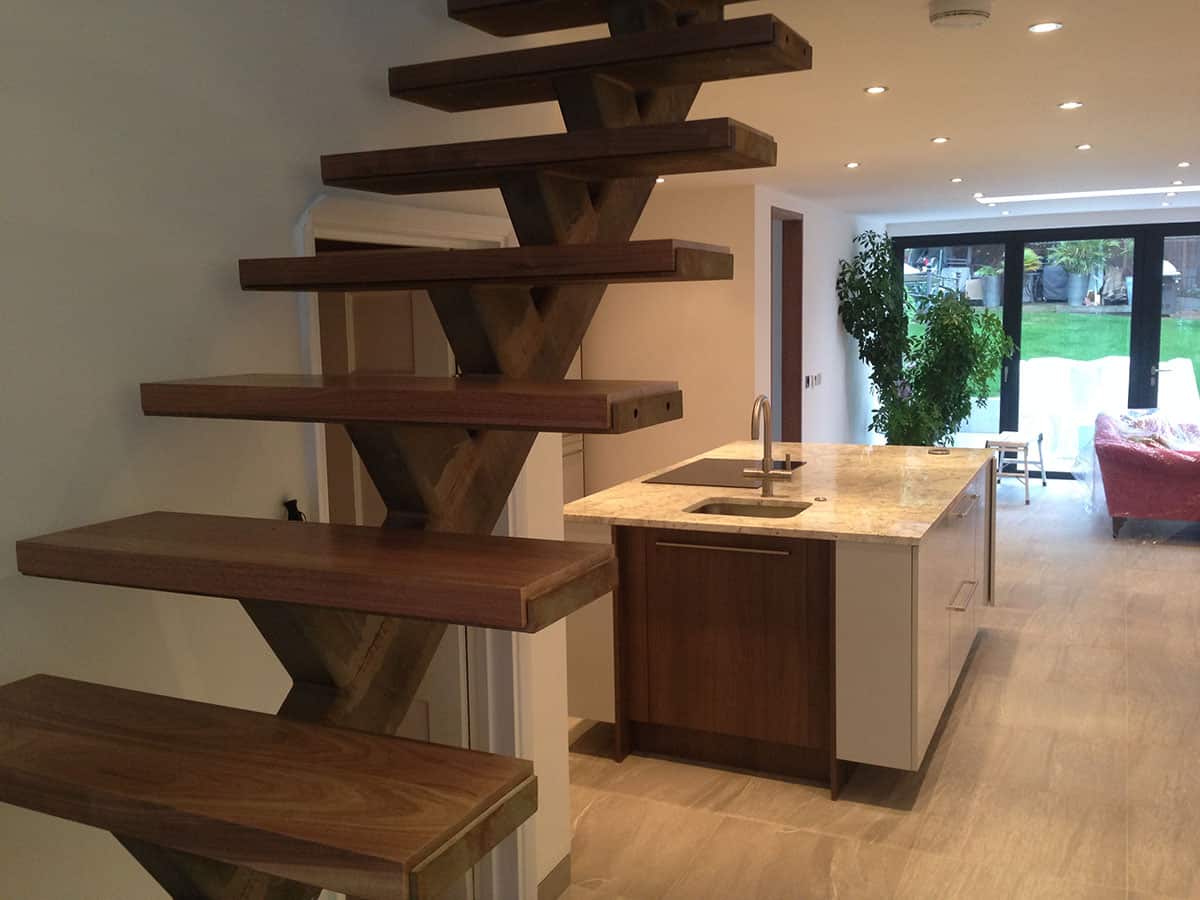
When a Rear Extension Makes the Most Sense
A rear extension is often the strongest option when the back of the home is doing too much work and not doing it well.
Many older North London homes were not designed around modern family life. The kitchen may be narrow. The dining room may be separate. The garden connection may be poor. There may be an old conservatory, lean-to or previous extension that no longer performs well thermally or practically.
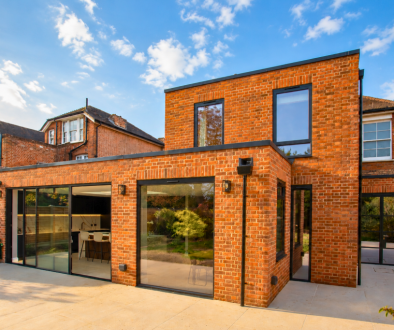
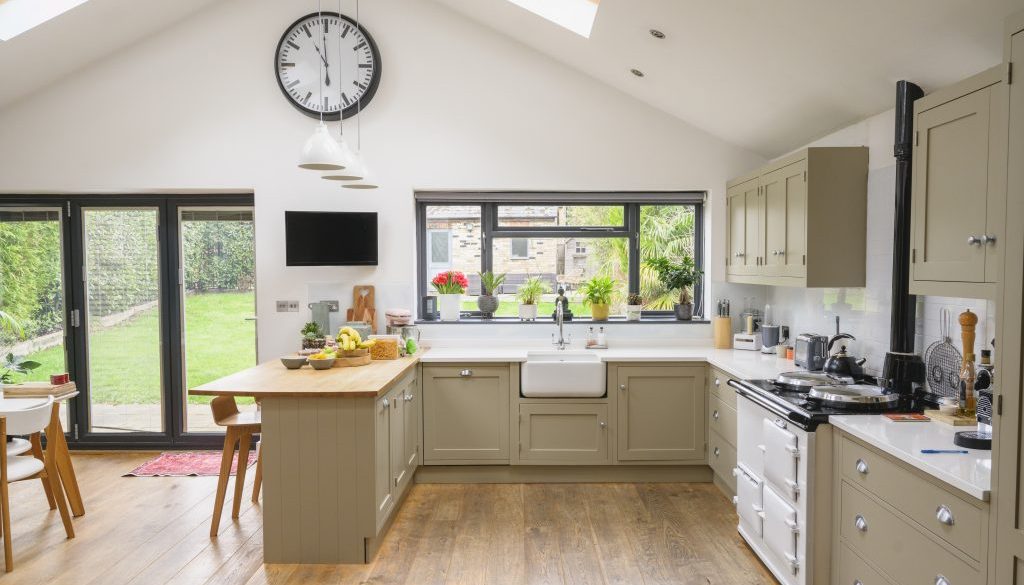
A rear extension can create a larger kitchen-dining area, improve natural light, connect the house to the garden and give the family a proper shared space.
We usually see rear extensions working well where the homeowner wants:
- A larger kitchen
- A proper dining area
- Better garden access
- More light at the back of the house
- A family room that works every day
In parts of Enfield, Southgate, Winchmore Hill, Palmers Green, Barnet and surrounding North London areas, many semi-detached and terraced homes have enough rear garden depth to make a single-storey rear extension worth considering.
However, a good rear extension is not just a structure added to the back of the house.
From a builder’s point of view, the important details are foundations, drainage, steelwork, roof design, insulation, glazing, ventilation, kitchen layout, floor levels, and the connection between the old and new structures.
This is where early buildability advice matters. A design may look simple on paper, but the real cost and complexity often lie in the ground, the structure, the drainage, and the junctions.
When a Side Return Extension Is the Better Option
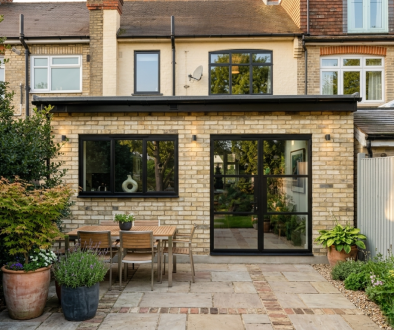
A side return extension can be one of the most effective ways to improve a North London terrace.
Many Victorian and Edwardian homes have a narrow strip of unused space beside the rear kitchen or back addition. It may not look like much, but bringing that space into the house can completely change the way the ground floor feels.
A side return extension can:
- Widen a narrow kitchen
- Improve the proportion of the rear room
- Bring in more light through roof glazing
- Create a more natural kitchen-dining layout
- Improve the connection to the garden
- Make better use of space that is often wasted
This is why side returns are so common in London. They do not always add the most square metres, but they can add the most useful space.
The professional caution is that side returns are rarely as simple as they look.
They often involve boundary walls, party wall matters, drainage runs, rooflights, structural steel, neighbour considerations and careful detailing where the new roof meets the existing building.
In a terrace, a side return can be very close to the neighbouring property. That means the design needs to consider outlook, light, privacy, construction access and the practicalities of working in a tight space.
A side return should feel like a natural correction to the house, not just an infill. When done properly, it can make the original home feel better proportioned.

When a Loft Conversion Is the Better Investment
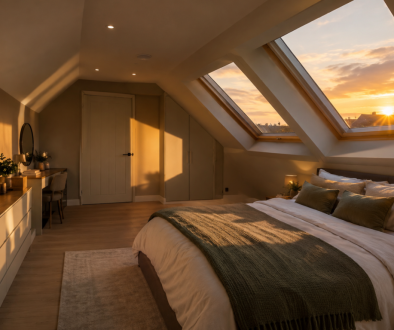
A loft conversion is usually the better option when the downstairs space works reasonably well, but the home needs another room upstairs.
For many North London families, a loft conversion can provide:
- A main bedroom
- A child’s bedroom
- A guest room
- A home office
- An en-suite
The main advantage is that a loft conversion uses roof space rather than garden space. That can be important in London, where outdoor space is valuable, and some gardens are already modest.
The type of loft conversion depends on the property.
A rear dormer can add headroom and usable floor area. A hip-to-gable conversion can work well on suitable semi-detached or end-of-terrace homes. A rooflight conversion may suit a roof that already has enough height. A mansard or L-shaped dormer may be considered where more space is needed, and the planning position supports it.
The key phrase is “usable space”.
A loft may look promising at first, but the final result depends on head height, roof structure, stair position, insulation, fire safety, floor strengthening and where services can run.
The staircase is especially important. A loft conversion that creates a good room but damages the first-floor layout is not a good result. The new stairs need to feel natural within the house and meet building regulations.
Rear Extension vs Loft Conversion: The Real Decision
A rear extension and a loft conversion should not be compared only by cost or size. They should be compared by the problem they solve.
If the home feels most difficult during breakfast, dinner, and weekends, the issue is probably on the ground floor. A rear extension, side return or kitchen extension may make the biggest difference.
If the pressure is bedrooms, privacy or working from home, a loft conversion may be more useful.
If both are problems, the best decision may be sequencing.
We often advise homeowners to think beyond the immediate project. If you may eventually want both a loft conversion and an extension, the first project should not make the second one harder or more expensive.
That can affect drainage, electrics, heating, floor finishes, structural openings and even how the home is used during the works.
Good building work is not just about doing one stage well. It is about understanding where the house may need to go in the future.
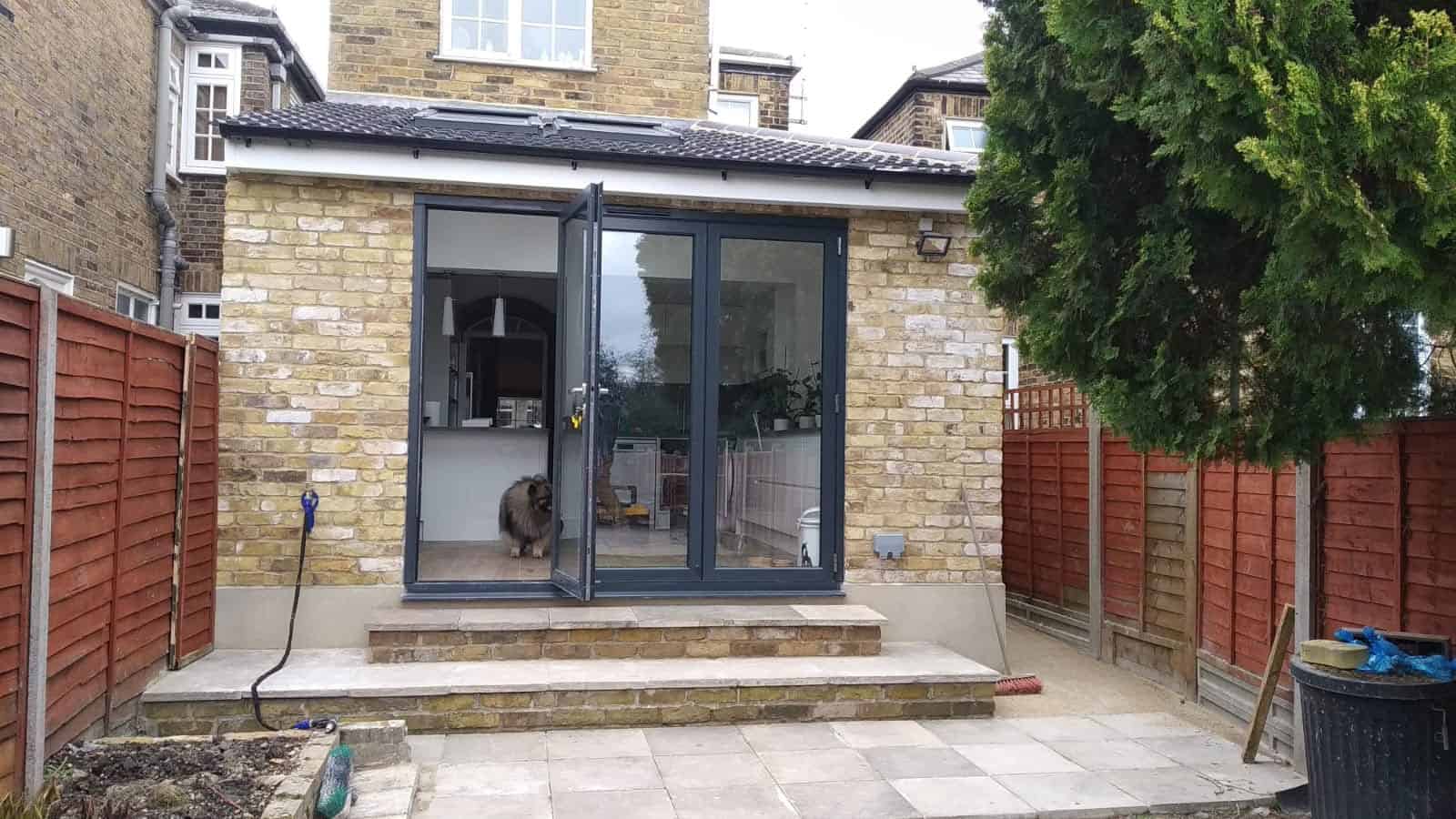
Victorian Terraces: Side Return or Loft Conversion?
For a Victorian terrace, the decision often comes down to ground-floor function versus bedroom capacity.
A side return is usually the better choice when the kitchen is narrow, the back of the house is dark, and the main family space feels compromised.
A loft conversion is usually the better choice when the bedrooms are the problem, and the downstairs layout already works.
Many terraces can benefit from both over time, but the order matters.
A side return may involve drainage, boundary work, kitchen relocation, roof glazing and structural openings. A loft conversion may involve stair layout, party wall works, fire safety upgrades and first-floor alterations.
Terraced houses also need particular care with Party Wall considerations. The official GOV.UK guidance explains that the Party Wall Act covers work to party walls, new building at or astride boundaries, and excavation near neighbouring buildings. It also makes clear that planning permission or building regulations approval does not remove the need to comply with the Party Wall Act where it applies.
For North London terraces, that is not a minor detail. It can affect timing, communication with neighbours, and how smoothly the project starts.
Semi-Detached Homes in Enfield and Barnet: Rear Extension or Hip-to-Gable?
Semi-detached homes often give homeowners more options.
In areas such as Enfield, Barnet, Southgate, Palmers Green and Winchmore Hill, many semi-detached homes have stronger rear garden potential than smaller terraces. They may also have roof shapes that suit a hip-to-gable loft conversion. For more advice, read our expert guide on house extensions in Enfield.
A rear extension may be the better route if the family needs a larger kitchen-dining space, better garden connection or a more open ground floor.
A hip-to-gable loft conversion may be the better route if the home needs another bedroom, office or en-suite and the roof shape is suitable.
The decision should be based on the house, not the trend.
With semi-detached homes, we look carefully at access, roof geometry, existing structure, garden depth, drainage, neighbouring properties and the planning position. Two houses on the same street can need very different advice because previous extensions, roof alterations or planning conditions can change what is realistic.
Barnet Council advises homeowners who want formal confirmation that work falls under permitted development to apply for a Lawful Development Certificate. It also notes that larger single-storey rear extensions may fall under the prior approval larger home extension consultation scheme.
That is useful advice for many homeowners. Even where full planning permission may not be needed, formal confirmation can be valuable for peace of mind and future sale records.
Planning in North London: Why Local Checks Matter
Permitted development can be helpful, but it should never be assumed.
Some homes are in conservation areas. Some are affected by Article 4 Directions. Some have previous planning conditions that restrict further development. Flats and maisonettes do not have the same permitted development rights as houses.
Enfield Council explains that Article 4 Directions can withdraw specified permitted development rights across defined areas. Its conservation-area guidance also states that where an Article 4 Direction applies, a planning application may be required before the owner carries out specified works.
Haringey Council gives similar guidance. It says some minor house alterations and extensions may be permitted development, but building regulations approval may still be required.
Haringey’s Article 4 guidance identifies conservation-area controls in places such as Noel Park, Peabody Cottages, Tower Gardens and Rookfield Estate, where specified permitted development rights are restricted to protect local character.
This is why a professional should always ask where the property is, what type of property it is and whether there are local restrictions before giving confident advice.
Building Regulations: Planning Is Only One Part of the Job
Planning permission and building regulations are different things.
A project may not need full planning permission but still need building regulations approval.
For extensions, the Planning Portal states that most property extensions require approval under building regulations. It also lists common areas that may need to comply with the regulations, including drainage, electrical systems, external walls, kitchens and bathrooms, internal walls, roofs, doors and windows.
For loft conversions, the technical issues are just as important. The Planning Portal identifies key building regulation areas for loft conversions, including fire safety, stairs, new dormers, internal elements, existing walls and foundations.
This is why the cheapest or quickest-looking option is not always the best option.
A loft conversion must be as safe as a habitable storey. An extension has to be structurally sound, insulated, ventilated and properly integrated with the existing house. A side return has to deal with structure, weathering, drainage, boundaries and light.
These are not just design choices. They affect safety, compliance, durability and comfort.
Disruption: Which Project Is Easier to Live Through?
Every project causes disruption. The difference is where the disruption happens.
A loft conversion can sometimes be less disruptive to the main living areas, particularly once external access and roof work are established. However, it still involves structural work, stairs, services, insulation, fire safety and finishing.
A rear or side return extension usually affects daily life more directly because it often involves the kitchen, garden access, drainage, electrics, heating, flooring and the main family space.
That does not make an extension the wrong choice. It just means the project needs to be managed properly.
In our experience, homeowners cope much better when they know what is happening, what stage is next and when the most disruptive phases are likely to occur. Clear communication is not an optional extra. It is part of a well-run building project.
Do Not Just Add Space. Add the Right Space
One of the biggest lessons we have learned is that more space does not automatically make a home better.
A rear extension can add floor area, but it can still feel wrong if the kitchen layout is poor.
A loft conversion can add a bedroom but compromise the first floor if the staircase is badly positioned.
A side return can widen the kitchen but feel dark if roof glazing, ceiling height and internal layout are not properly considered.
The best projects think about the whole house.
That means considering:
- Natural light
- Storage
- Heating and ventilation
- Stair position
- Drainage
- Structural openings
- Kitchen layout
- Garden connection
- Privacy
This is where builder-led advice is valuable. A project has to look good, but it also has to be buildable, compliant, durable and practical to live in.
Questions to Ask Before Choosing an Extension or Loft Conversion
Before deciding which route to take, we would suggest asking:
What is the main frustration with the home?
Is the issue upstairs, downstairs or both?
Do you need more bedroom space or better living space?
Is the garden large enough to lose some depth?
Is the loft suitable for conversion?
Could Article 4 restrictions apply?
Are there likely to be Party Wall matters?
Will drainage or access make the build more complex?
Could a phased plan avoid having to redo work later?
These questions make the first conversation much more useful. They also help avoid vague pricing, unclear scope and unrealistic expectations.
Our Advice as North London Builders
If you are deciding between a rear extension, a side return, or a loft conversion, our advice is simple: choose the project that solves the right problem.
For some homes, that will be a rear extension. For others, it will be a side return. For others, it will be a dormer loft conversion, a hip-to-gable loft conversion, or a wider refurbishment.
In many North London homes, the best answer comes from understanding the property as a whole.
At Firtree Build Ltd, we help homeowners across Enfield and North London think through the practical options before building work begins. We look at the layout, structure, access, planning considerations, likely disruption and the way the family wants to live in the home.
Before you commit to the wrong project, speak to us about what is realistic, what is worthwhile and what will give your home the most useful extra space.
Contact Firtree Build Ltd today to discuss your North London rear extension, side return extension or loft conversion.
London Conversion & Extension FAQs
Is a rear extension better than a loft conversion?
A rear extension is usually better if the main problem is the kitchen, dining area or ground-floor living space. A loft conversion is usually better if the home needs another bedroom, office or en-suite without losing garden space.
Is a side return extension worth it in North London?
A side return extension can be worth it for many North London terraced homes because it can widen a narrow kitchen, improve natural light and make better use of unused space beside the rear addition.
Do I need planning permission for a loft conversion in North London?
Some loft conversions may fall under permitted development, but this depends on the property, roof design, previous alterations and local restrictions. Homes in conservation areas or Article 4 areas may need closer planning checks.
Do I need planning permission for a rear extension?
Some rear extensions may be permitted development, but size, height, boundaries, property type and previous changes all matter. If the proposal exceeds permitted development limits, a householder planning application may be needed.
Is a loft conversion less disruptive than an extension?
A loft conversion can sometimes be less disruptive to the main living areas, but it still involves structural work, stairs, insulation, fire safety and services. A rear or side return extension often affects the kitchen and main family space more directly.