
Side Return Extension Builders North London
Side Return Extensions for North London Homes
A side return extension can turn one of the most underused parts of a North London home into one of the most valuable spaces in the house.
In many Victorian and Edwardian terraces, the narrow strip beside the rear kitchen is used for bins, storage, side access or very little at all. On its own, it may not look like much. But when it is carefully brought into the home, it can widen a narrow kitchen, improve natural light and create the kind of kitchen-dining space that works properly for family life.
At Firtree Build Ltd, we build side return extensions for homeowners across Enfield and North London. We help clients create brighter kitchens, better layouts and more useful ground-floor living space without always needing to take a large section of the garden.
A side return extension may be smaller than a full rear extension, but it is not a minor project. The best results depend on good planning, sound structure, careful drainage work, Building Control compliance, neighbour consideration and a finish that feels like it belongs to the original home.
That is where an experienced local builder makes a real difference.


Is a Side Return Extension Right for Your Home?
A side return extension is often a good option if your home has a narrow rear kitchen, an unused side passage or a ground floor that feels too tight for modern family life.
It may be right for you if:
- Your kitchen feels narrow or boxed in
- The back of your home is dark
- You want a wider kitchen-dining space
- You want to improve the layout without losing too much garden depth
- You have a Victorian or Edwardian terrace with a side return
- You are already planning a kitchen refurbishment
- You want a better connection between the kitchen and garden
- You are considering a rear extension but do not want to overbuild the plot
In our experience, the best side return extensions are not simply about gaining extra floor area. They are about correcting the proportions of the ground floor.
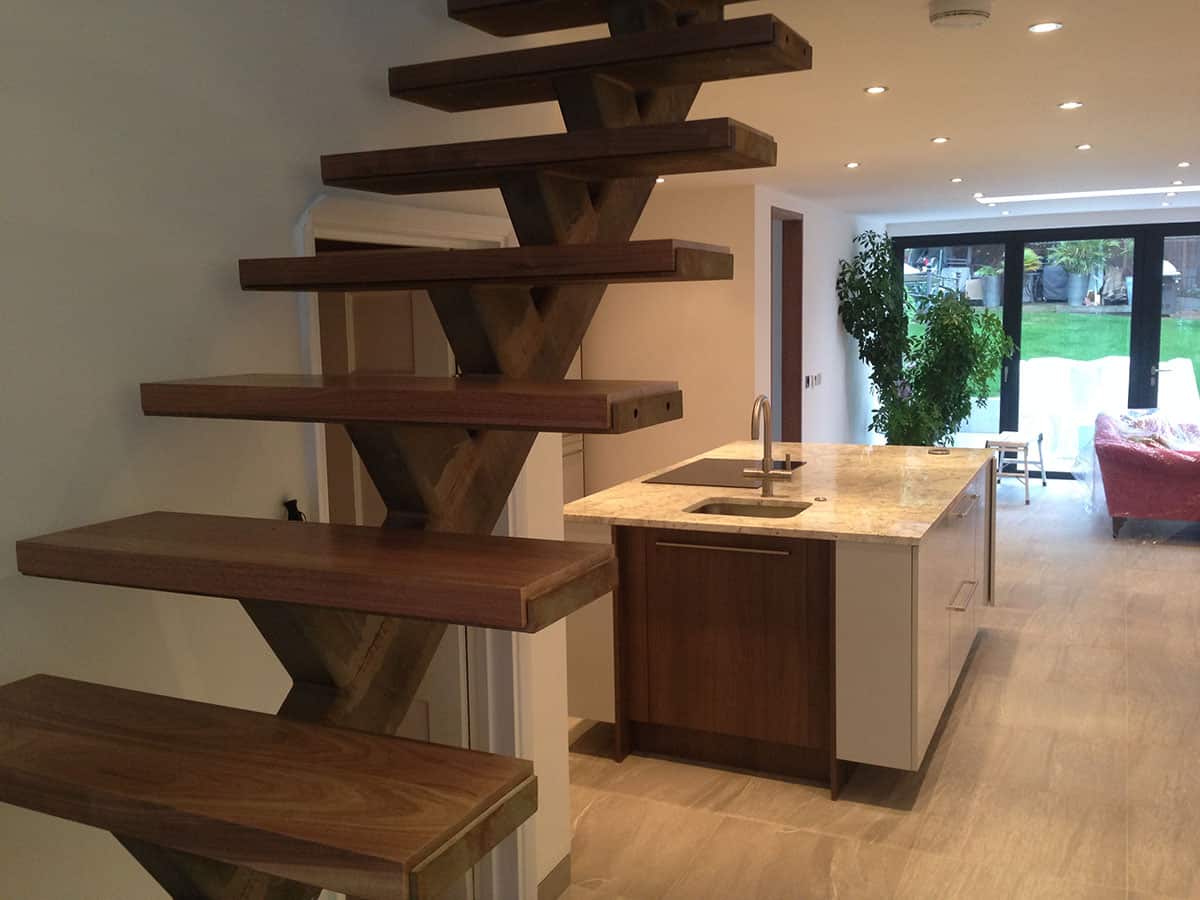
A narrow kitchen can feel completely different when the side return is opened up, rooflights are introduced and the kitchen, dining and garden connection are properly planned.
What Is a Side Return Extension?
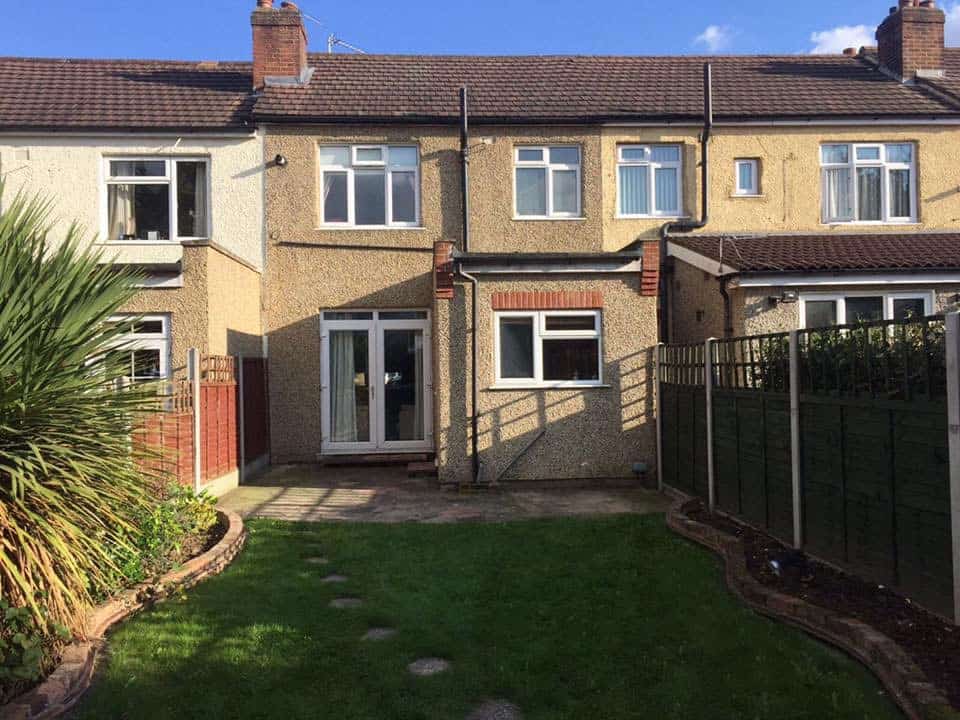
A side return extension fills in the narrow strip of land beside the rear part of a house. This space is common in older terraced properties, especially where the home has an original rear outrigger or back addition.
In many North London homes, this side passage sits beside the kitchen. It may be used for bins, a small path, outdoor storage or access to the garden. By extending into that space, the ground floor can become wider, brighter and more practical.
A side return extension can be used to create:
- A wider kitchen
- A kitchen-dining area
- A more open-plan ground floor
- Better garden access
- More natural light through roof glazing
A side return is often planned as part of a wider kitchen extension in North London, especially when the goal is to create a brighter kitchen-dining space rather than simply add floor area. The important point is that a side return is not only an “extension”. It is often a layout correction. Many older homes have enough space, but their layouts are poorly suited to the way families live today. A side return can help unlock the ground floor without always needing a large rear addition.
Why Side Returns Work So Well in Victorian and Edwardian Terraces
North London has many Victorian and Edwardian terraced homes with long, narrow ground-floor layouts. These homes often have a front reception room, a middle room and a smaller kitchen or rear addition at the back. That layout can feel charming, but it can also create practical problems.
The kitchen may be too narrow. The rear of the house may feel dark. The dining area may be squeezed into the wrong place. The garden may feel disconnected from the main living space.
For Victorian and Edwardian terraces, we usually look carefully at:
- The width of the existing side passage
- The position of the original rear wall
- Existing drainage runs
- Boundary walls and neighbouring properties
- The condition of the existing structure
- How much natural light can be introduced
The best side returns respect the existing home. They should not feel like a bolt-on. The new space should improve the flow, light and function of the whole ground floor.





Side Return Kitchen Extensions
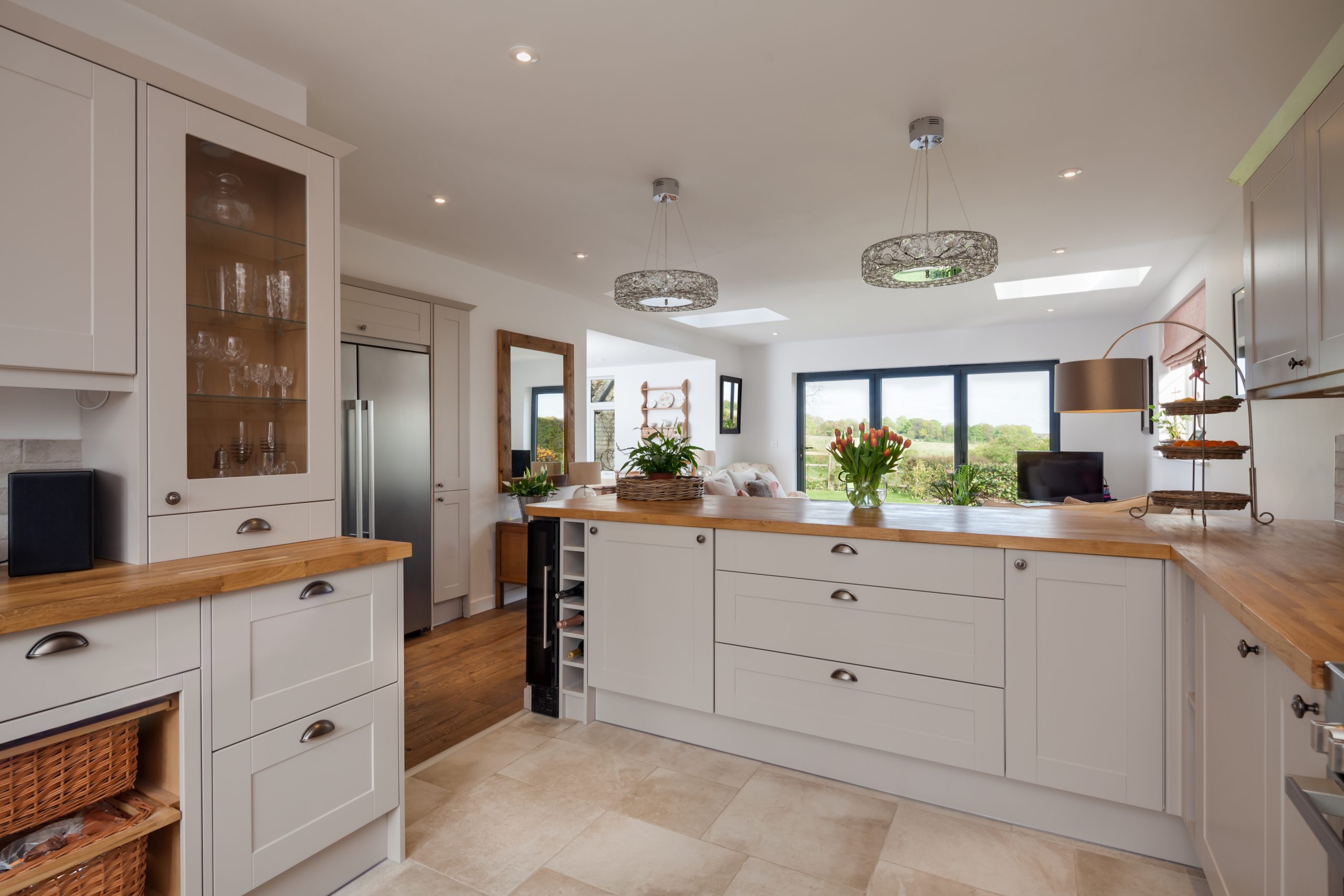
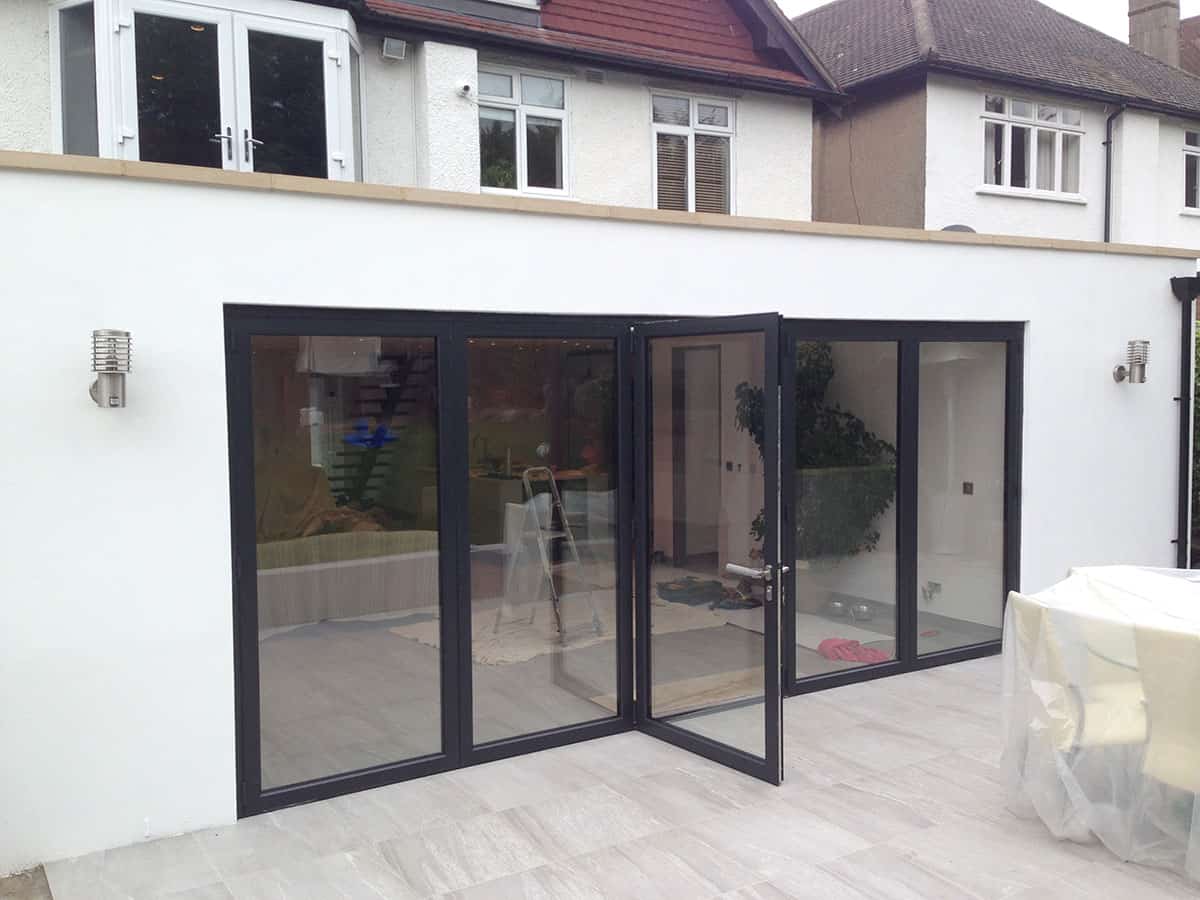
Many side return extensions are really kitchen extensions. That is because the side return usually sits beside the existing rear kitchen. By extending into that space, it is possible to create a much more practical kitchen, dining and family area.
A side return kitchen extension can help you achieve:
- A wider kitchen layout
- Better worktop and storage space
- Room for a dining table
- Space for an island or peninsula
- Rooflights to bring daylight into the centre of the room
Kitchen extensions need careful coordination. It is not enough to simply build the shell and think about the kitchen later.
The position of drainage, water supplies, electrics, extraction, lighting, heating, flooring and structural beams all matter. If these details are not planned properly, the final kitchen can end up with awkward boxing, poor lighting, low-ceiling sections, or expensive changes during the build.
At Firtree Build Ltd, we can work with your architect, structural engineer, designer or kitchen supplier to ensure the building work supports the final kitchen layout. That means thinking about the finished room from the beginning, not just the structure.
Side Return vs Rear Extension vs Wraparound Extension
A side return extension is not always the right answer. Sometimes a rear or wraparound extension will yield better results.
If more depth is needed at the back of the house, our rear extension builders in North London can help you compare whether a rear extension, a side return extension, or a wraparound extension is the better route.
A side return is usually best when the home is narrow, but the garden depth is valuable. A rear extension is often better when the main issue is lack of depth or family living space. A wraparound extension may be the strongest option when both width and depth need improvement.
If you are unsure which route is right, we recommend reviewing the entire house before choosing a project type.
You can also read our guide to rear extension vs loft conversion to compare different ways of adding space to a North London home.
Planning Permission for Side Return Extensions in North London
Some side return extensions may fall under permitted development, but this should never be assumed. Planning rules depend on the property, the size and design of the extension, previous alterations, the position of the side elevation, whether the home is in a conservation area and whether any Article 4 Direction applies.
Side extensions have specific permitted development limits. They are generally expected to be single-storey, to stay within height limits, and not to exceed certain width restrictions. If the property is on designated land, or if permitted development rights have been removed, planning permission may be required.
This is especially important in North London, where many homes sit within conservation areas or streets with stronger planning controls.
- In Enfield, homeowners need to consider local restrictions, previous planning conditions and Article 4 Directions. As local house extension builders in Enfield, we understand how access, property age, neighbouring homes and planning history can affect the way an extension should be approached.
- In Barnet, a Lawful Development Certificate may be useful where a homeowner wants formal confirmation that a proposal falls within permitted development.
- In Haringey, conservation areas and Article 4 controls can affect what is allowed.
A good side return project should not begin with guesswork. Before construction starts, the homeowner should understand whether the project requires planning permission, whether a lawful development certificate is appropriate, and whether any neighbour or Party Wall matters need to be addressed.
For larger or more complex projects, it can help to speak with experienced house extension builders in North London before committing to drawings, quotes or a final build route.
What Affects the Cost of a Side Return Extension?
A side return extension may have a modest footprint, but from our experience, it is often a detailed structural project rather than a simple add-on. The cost is usually determined by the existing ground conditions, drainage position, boundary details, steelwork, roof design, glazing, kitchen specification, and the extent to which the original ground floor needs to be opened up or refurbished.
The kitchen is often the biggest variable.
A straightforward side return with a simple finish is very different from a high-spec kitchen-dining space with rooflights, large glazing, underfloor heating, premium flooring and major layout changes.
That is why we believe in clear, upfront quotations.
Before work begins, homeowners should understand what is included, what is not included and where the main cost risks are likely to be. Good pricing is not just about the final figure. It is about avoiding surprises once the build is underway.

Why Choose Firtree Build Ltd?
Choosing a builder for a side return extension is about more than the construction work. You are trusting a team with your home, your budget, and how your family lives during the project.
Firtree Build Ltd is based in Enfield and works across North London on house extensions, kitchen extensions, loft conversions, refurbishments and new builds. We bring practical advice before work begins, clear communication throughout the project, upfront pricing, realistic scheduling, deposit protection and a workmanship guarantee.
We understand the concerns homeowners have. Will the builder communicate? Will the price stay clear? Will the work be managed properly? Will the finish be good enough? Our aim is to make the process organised, honest and controlled from start to finish.
A side return extension can be disruptive, but it should never feel chaotic. With careful planning and the right team, it can become a well-managed project that transforms how your home works.
Side Return Extension FAQs
Is a side return extension a good idea for a North London terrace?
A side return extension can be a very good idea for a North London terrace if the existing kitchen is narrow, dark or poorly connected to the garden. Many Victorian and Edwardian terraces have an unused side passage beside the rear kitchen, and bringing that space into the home can create a wider kitchen-dining area without taking as much garden depth as a large rear extension.
What makes a side return extension more complicated than it looks?
A side return extension can look simple because the footprint is often small, but the build can involve drainage alterations, boundary walls, structural steelwork, foundations, roof glazing, insulation, kitchen services and Party Wall matters. From a builder’s point of view, the difficulty is usually not the size of the extension but the amount of technical work needed in a tight space.
Is a side return extension better than a rear extension?
A side return extension is usually better when the main problem is a narrow kitchen and the homeowner wants to keep as much garden depth as possible. A rear extension is usually better when the home needs more depth, a larger family living area or a stronger connection to the garden. In some homes, a wraparound extension may be the best option because it combines both side and rear space.
Do side return extensions need planning permission in North London?
Some side return extensions may fall under permitted development, but this should not be assumed. The planning position depends on the property type, extension size, height, boundary position, previous alterations and whether the home is in a conservation area or affected by an Article 4 Direction. In Enfield, Barnet, Haringey and other North London boroughs, it is sensible to check the planning position before committing to the design.
Do I need a Party Wall agreement for a side return extension?
A Party Wall process may be needed if the work affects a shared wall, involves excavation near neighbouring foundations or is built close to a boundary. This is common with terraced and semi-detached homes, so it should be checked before work begins.
